
Studio
What Principal-Led Means in Practice
Why hiring a studio where principals write the code beats paying agency account managers and junior contractors. Zero communication loss.

When founders hire an external development team to build their software, the transaction usually follows a predictable script.
During the sales process, the founder speaks with agency executives or senior solutions architects. These leaders understand product positioning, distributed architectures, and database trade-offs. The founder leaves the call convinced that the agency understands their vision.
Once the contract is signed, the senior personnel disappear. The project is handed down to an account manager, who translates requirements to an offshore project manager, who writes Jira tickets for junior developers who have never operated a production product.
Every technical requirement passes through four layers of telephone before a single line of code is written. By week three, the software drifts away from the intended product mechanics, and the founder spends twenty hours a week explaining basic domain concepts to intermediaries.
At Emiote, we operate as a principal-led product and engineering studio. Here is what that model looks like in daily practice, and why it changes how software gets delivered.
The communication chain: Agency relay vs Principal-led loop
The primary cause of project delay is not typing speed. It is communication latency and translation loss.
flowchart TD
    subgraph Agency["Traditional Agency Model (4 Layers of Translation Loss)"]
        FounderA["Founder"] --> VP["Agency VP / Sales Lead"]
        VP --> AM["Account Manager"]
        AM --> PM["Offshore Project Manager"]
        PM --> Dev["Junior Contractors"]
        Dev -.->|Questions & Clarifications| PM
        PM -.-> AM
        AM -.-> VP
        VP -.-> FounderA
    end

    subgraph Studio["Emiote Principal-Led Model (Zero Relay)"]
        FounderB["Founder"] <--> Principal["Principal Engineer<br/>(Dhanji Bhagat)"]
        Principal --> Codebase["Direct Code, Architecture & Production Deploy"]
    end
In the agency relay model, simple questions require days to resolve:
- The developer discovers an ambiguous requirement in the database schema.
- The developer asks the project manager during the morning standup.
- The project manager emails the account manager.
- The account manager schedules a weekly status call with the founder.
- Five business days pass before a three-minute technical decision is made.
In our studio, the principal engineer designs the schema, writes the application routes, runs the automated test suites, and configures the production infrastructure. When an edge case emerges, we address it directly in shared asynchronous documents or a direct five-minute discussion.
What a principal-led engagement changes
Working directly with the person writing the software changes four aspects of the project.
1. Scope decisions happen during implementation
When an account manager receives a founder request, their incentive is to say yes to keep the client happy, then issue a change order billing for additional hours. They do not evaluate how the request impacts database performance or release deadlines.
When a principal engineer evaluates a request, they assess the architectural cost immediately:
- “Adding custom notification preferences now will push our staging launch by four days.”
- “If we use a standard transactional template instead, we can test user onboarding by Friday.”
You receive honest technical advice rather than commercial accommodation.
2. Zero translation loss in domain logic
Every industry has specific domain rules that generic developers overlook.
In building Ankik, accounting entries cannot use floating-point numbers because rounding errors compound across ledger reconciliations. In building Retainix, counter staff operate with customers waiting in line, meaning an offline sync failure cannot block a sale.
A principal engineer internalizes these operational realities before writing database migrations. We do not need a project manager to translate business logic into ticket descriptions.
3. Fewer engineers, higher output
Adding developers to a late project makes it later. When an agency assigns five junior developers to an application, they spend half their time resolving merge conflicts, standardizing code conventions, and attending internal coordination meetings.
One experienced engineer who understands the full stack from PostgreSQL queries to server-side components can ship more working software in twenty-eight days than a fragmented team of six. There are no pull requests sitting unreviewed for three days and no mismatched API contracts between separate teams.
4. Direct accountability for production uptime
In traditional agencies, the team that writes the code rarely runs the code in production. The developers finish their contract, deliver a zip file or GitHub repository, and hand support off to an internal IT department or a maintenance tier.
In our studio, we deploy our own software (Ankik, Retainix) and run client applications on live infrastructure. When we build an MVP, we configure the SSL certificates, database connection pooling, and error alerting ourselves. We write software with the knowledge that we are directly responsible if the system fails under user load.
When principal-led is the right fit
Our studio model is not for every company.
If an enterprise client requires thirty developers to staff a legacy software migration or wants weekly slide decks presented to an executive steering committee, large staff-augmentation agencies are built for that workflow.
If you are an early-stage founder building an MVP, an SME modernizing core operations, or a product team needing a validated software core shipped in twenty-eight days without agency overhead, the principal-led model protects your capital and keeps your timeline predictable.
To see how we structure our 28-day MVP builds, read our 14-day core timeline breakdown or book a direct technical discussion with our studio.
OUR WORK
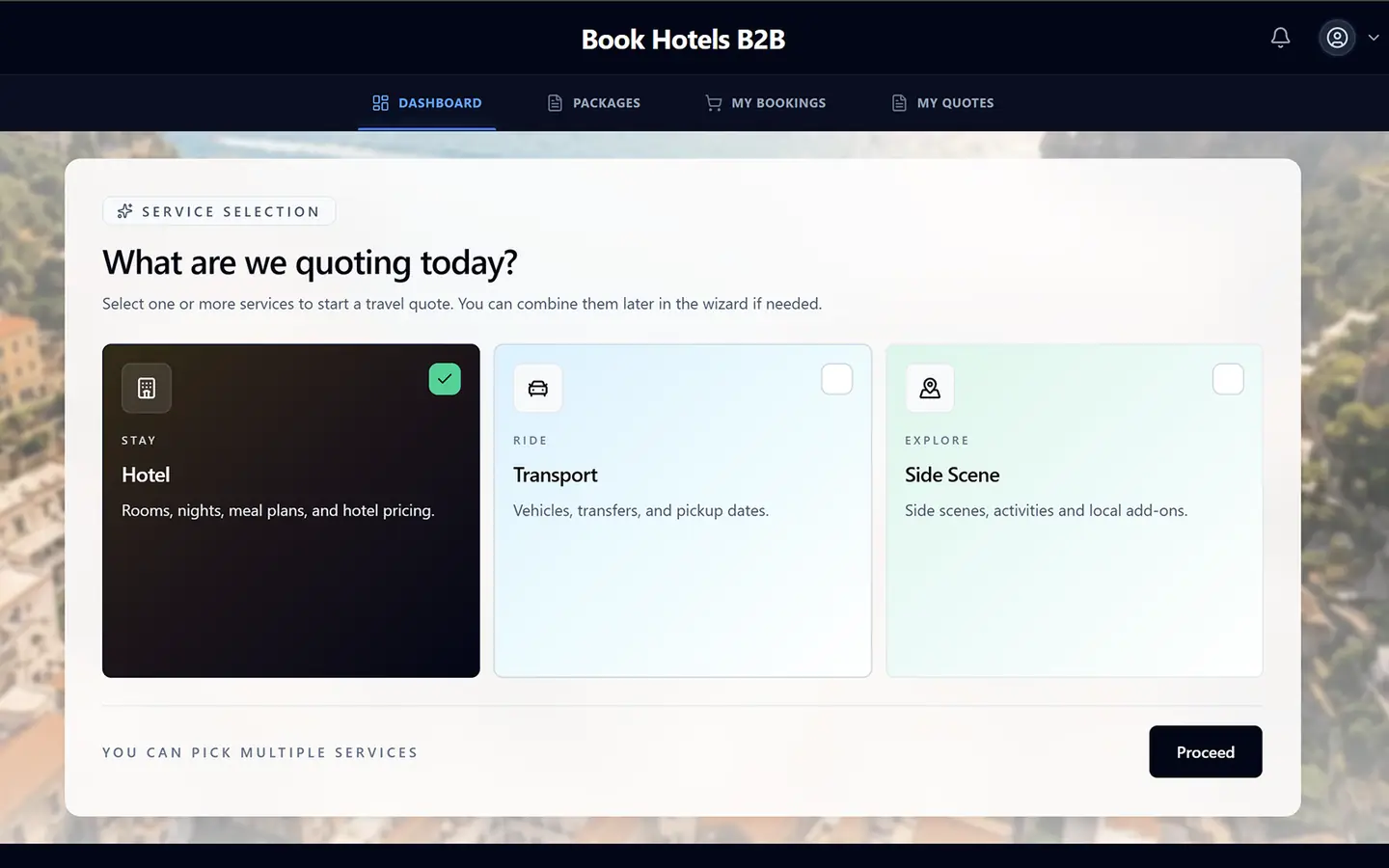
Book-Hotels-B2B
2026B2B travel agency platform with quote-to-invoice automation.
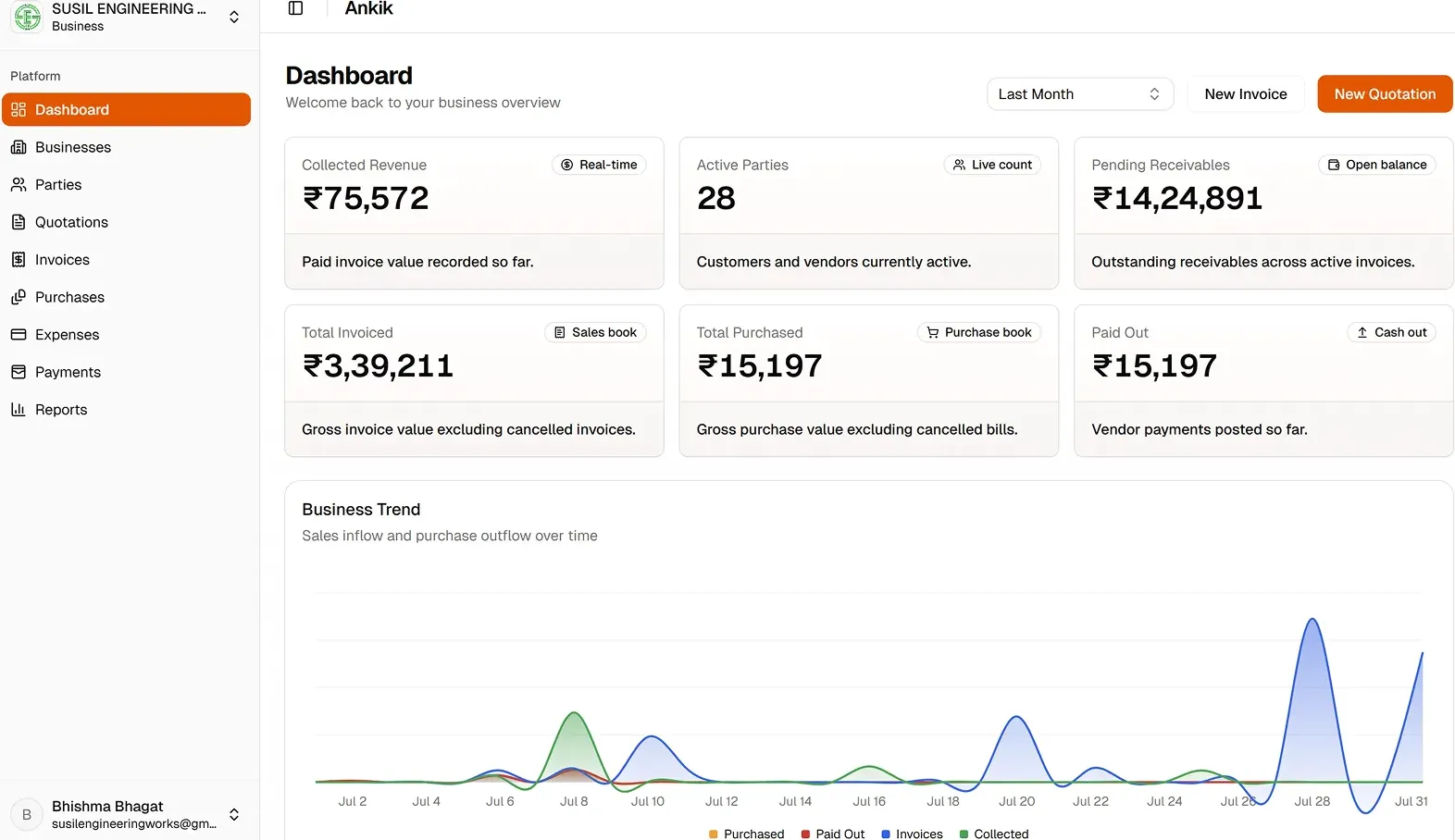
Ankik
2026Desktop-first accounting workspace for SMEs, 0 to launch.
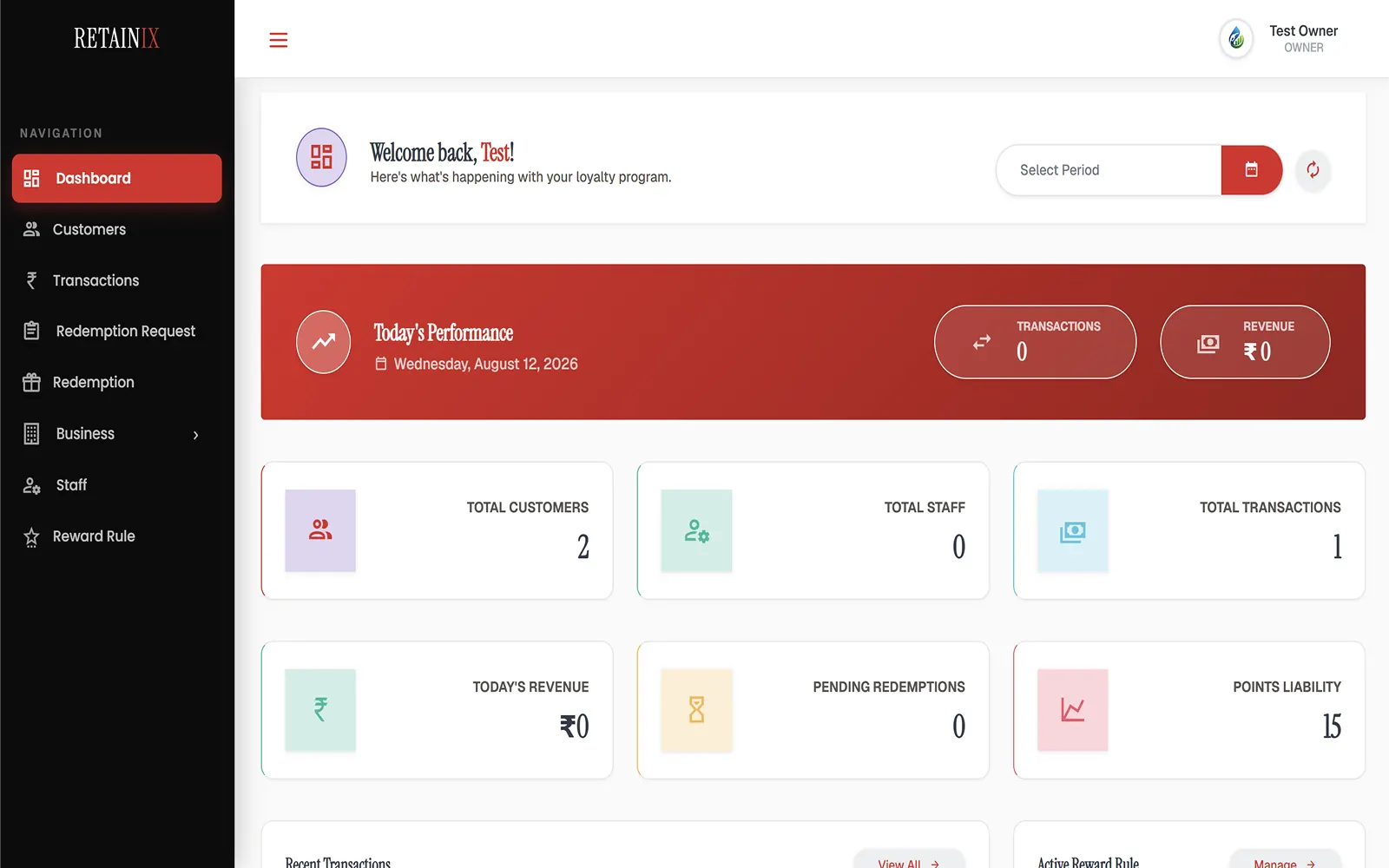
Retainix
2025Multi-branch loyalty & cashback platform for petrol pumps & retail.
BOOK A CALL
Ready to turn your idea into a live product?
Schedule a 15-minute scoping call with Dhanji below. We'll discuss your scope, timeline, and tech strategy honestly.