Search & AI
Cheap vs Correct AI Integration: Cost of Hype
The difference between cheap AI that demos well and correct AI that retains users — hype vs correct comparison and cost of hype.

A cheap AI integration demos in five minutes. A correct AI integration changes whether users come back.
The difference is not model price. It is whether the AI sits inside a trustworthy job.
We have not published a separate post-mortem of a failed AI feature in a client product, so this page sticks to the framework we actually use in reviews — not an invented story.
AI DECISION — DOES IT EARN RETENTION?
We ship AI only when it improves completion or removes friction we can measure.
✕ Hype trap
AI demo that adds steps. Looks clever, completion drops.
Defer
✓ Earns retention
AI removes a real step or error. Measured completion ↑.
Ship
— No change
AI that doesn’t change the job. Adds cost, not value.
Skip
⚠ Risky
AI helps some, hurts others. Needs instrumented test.
Test first
high friction ↑low retention → high retention
We instrument completion rate before/after. If it doesn’t move, the AI doesn’t ship.
Cheap AI: what it looks like
Cheap AI is a generation step added on top of a fragile flow.
- Prompt stitched into a screen without typed boundaries —
numberfor money,stringfor status. - No clear empty, failure, and permission-denied states for the AI output itself.
- No measurement of whether the job is finished faster or more reliably.
- The demo is a generated paragraph; the production question is “what do we retry when the model times out?”
It feels fast. It generates support load where the generation is wrong in a way the user cannot spot quickly. The cost shows up after launch.
Correct AI: what we aim for
Correct AI is a material inside a well-defined job, as described in our AI retention guide.
- Typed boundaries around AI output — the same discipline we use for money in Ankik, where
balanceInCentsis abigintwith explicitreconciled | pending | disputed. - Optimistic UI where relevant — show the result now, verify in the background, explain clearly on failure, as shown in good engineering by design.
- Instrumented before/after: completion rate, time-to-complete, and retry rate measured on the core job.
- Five states designed for the AI path as well: what empty looks like, what measurable “success” is, what failed safely preserves, and who can fix a denied case.
The engineering is not about the model vendor. It is about where the generation lives in the product.
Hype vs correct — comparison we use in reviews
| Dimension | Cheap (hype) | Correct (earn retention) |
|---|---|---|
| Placement | On top of a fragile flow | Inside a typed job with clear boundaries |
| States | Happy path only; errors bubble as 500s | Empty, loading, success, failure, denied — all designed |
| Measurement | None, or vanity “tokens used” | Completion rate and friction before/after |
| Cost view | Model call price only | Model + support + rework + trust cost |
| Retention impact | Demo liked, return rate flat or down | Return rate moves because the job is genuinely easier |
| When we ship | Because a deck needed “AI” | Because a specific friction was measured and removed |
We review each proposed AI feature against this table before we estimate it. The same table determines where it falls in the MVP cost breakdown — a cheap call that creates a support queue is not cheap.
The cost of hype
Hype cost is not the invoice. It is:
- Users who pause to verify every generation, adding a second job (checking) to the first.
- Support threads about “is this number right?” because money was a float and status was a string.
- A second build to re-wire the job after users have already learned to distrust it.
We prefer the checklist from our MVP pillar: if the AI path cannot answer the five states, it does not ship — no matter how good the demo looks in a review.
For scope, use our pruning template. For timeline, see how we ship in 28 days.
FAQ — cheap vs correct AI integration
What is cheap vs correct AI integration? Cheap ships a prompt on a fragile flow and optimizes for the demo. Correct places generation inside a typed job with empty, failure, and denied states and measures completion rate before and after.
Why does cheap AI cost more after launch? The invoice hides support threads, verification pauses, and a second rebuild once users distrust the output. Correct AI counts model plus support, rework, and trust cost.
How do you know if AI earns retention? Instrument the same core job twice — with and without the AI variant — and keep it only if more strangers finish faster and with fewer retries.
Have an AI idea you want to pressure-test? Map Your AI Idea to Hype vs Correct — we put each proposal in the table with you and instrument the one that earns retention.
OUR WORK
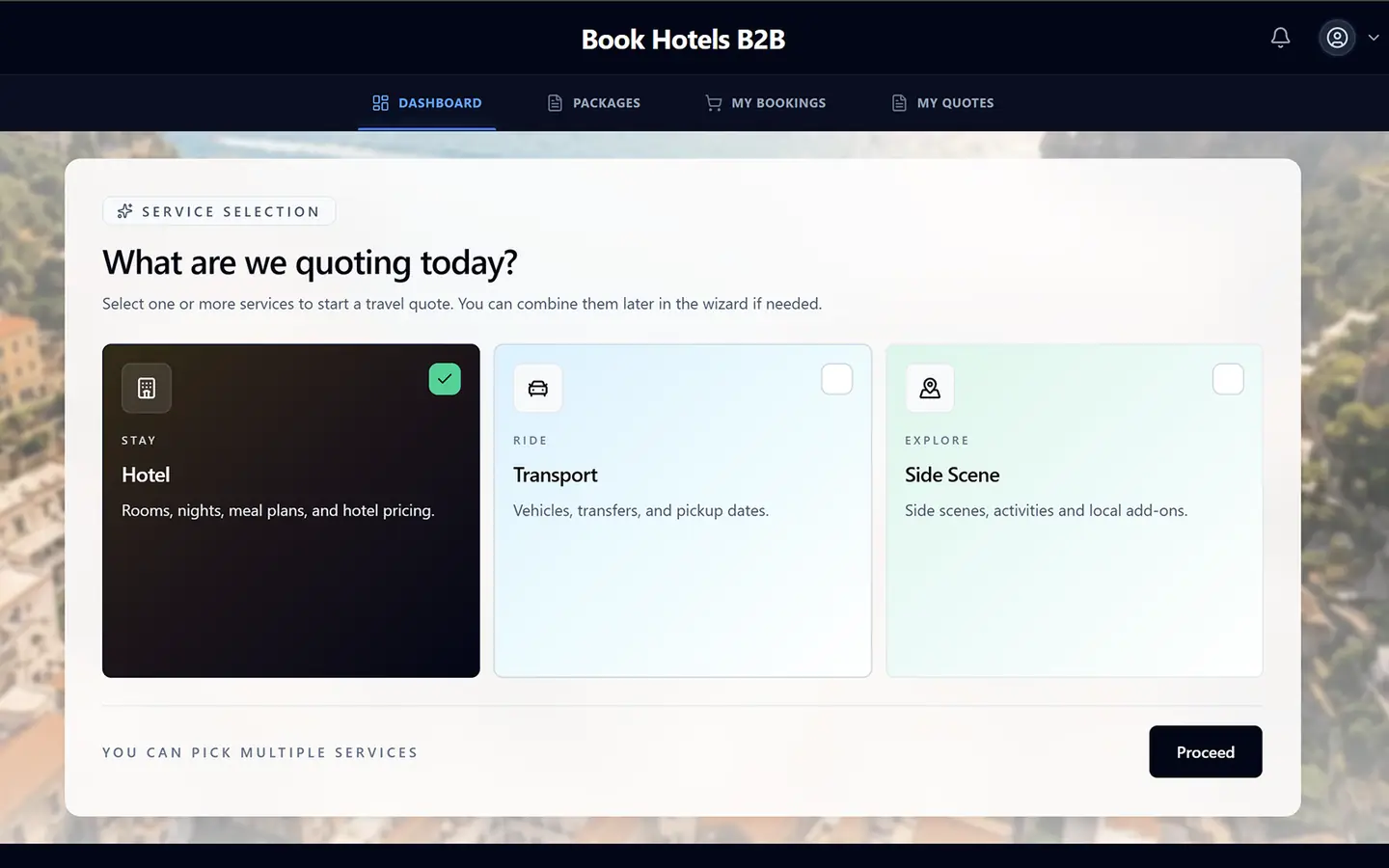
Book-Hotels-B2B
2026B2B travel agency platform with quote-to-invoice automation.
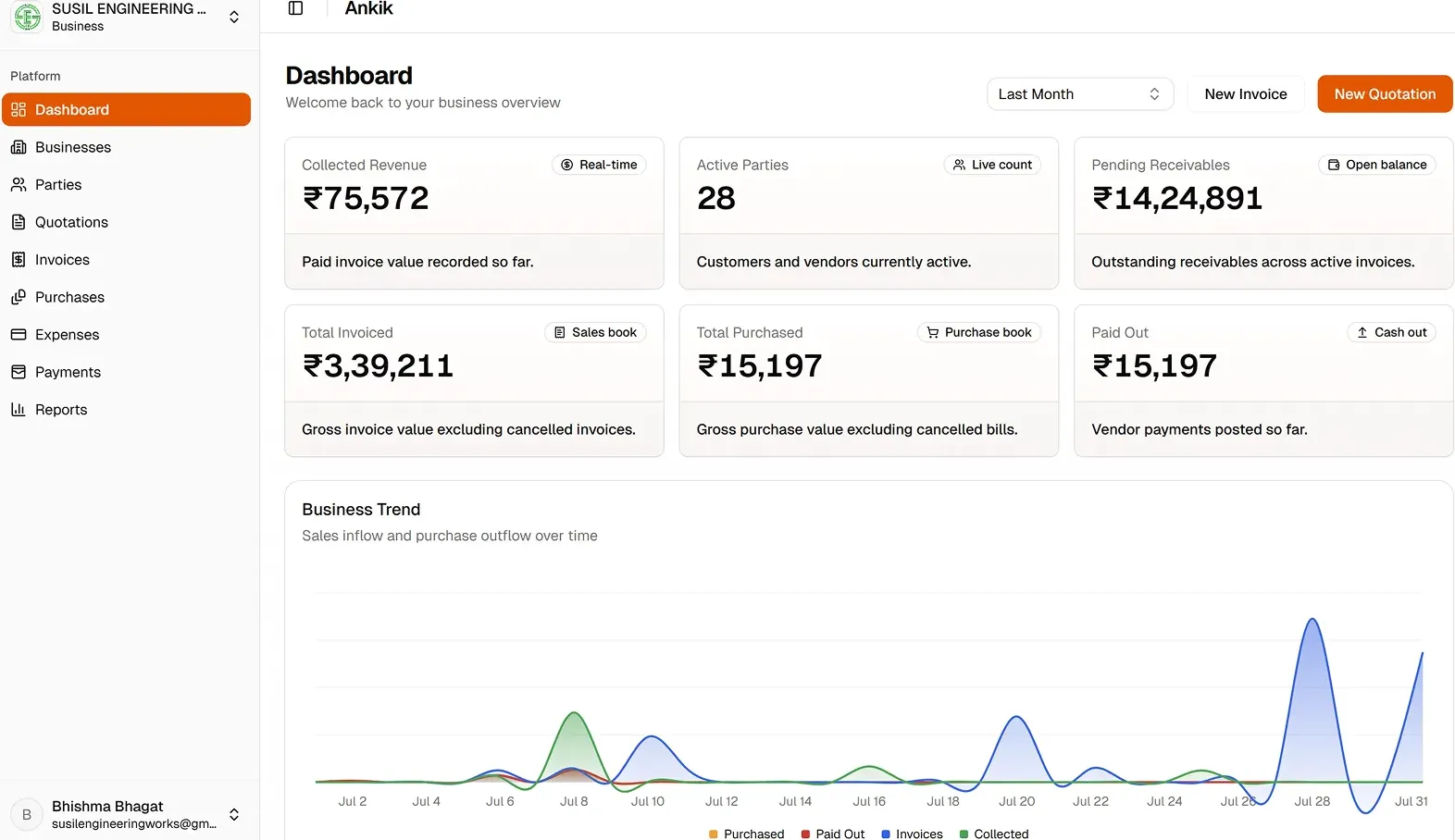
Ankik
2026Desktop-first accounting workspace for SMEs, 0 to launch.
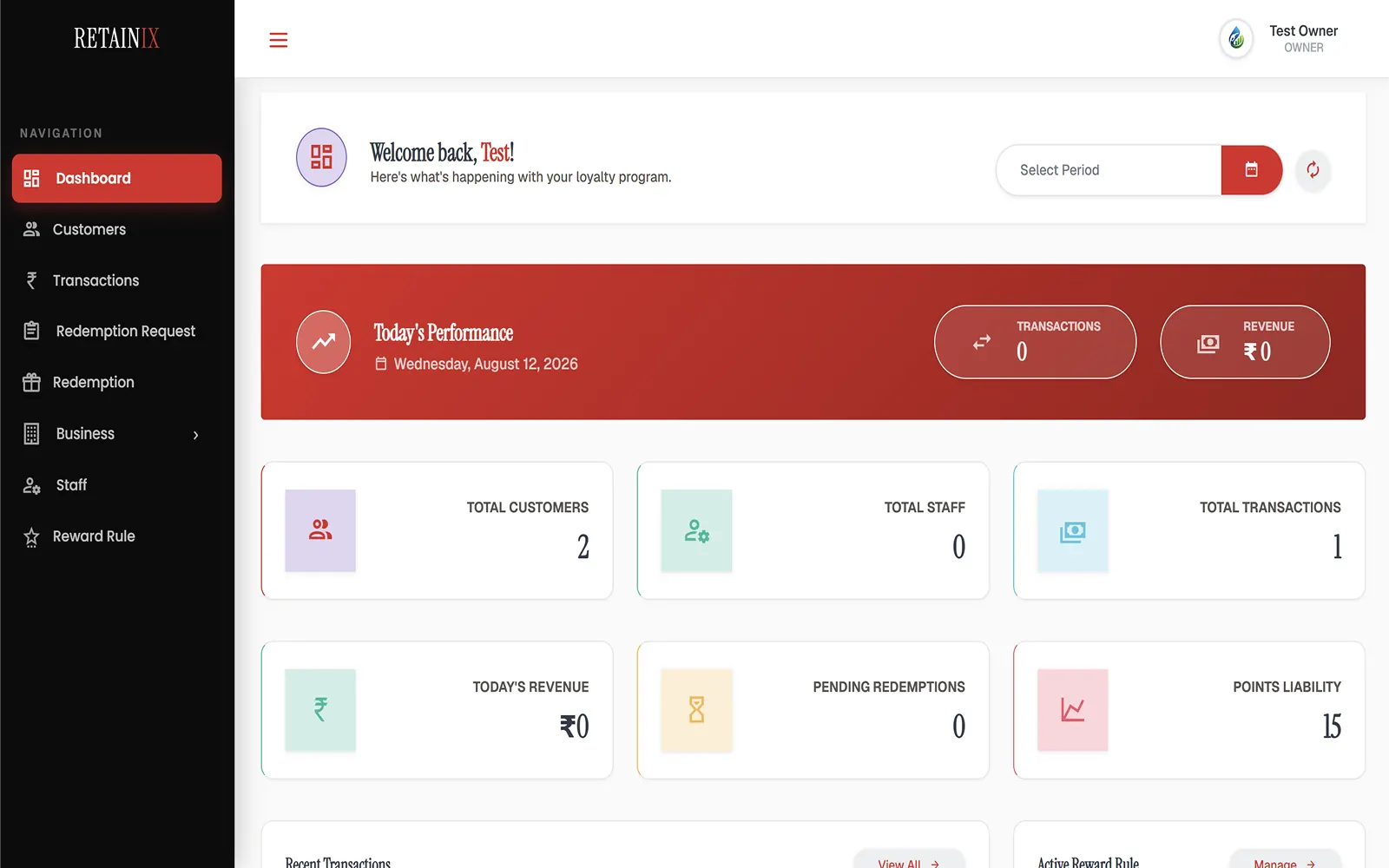
Retainix
2025Multi-branch loyalty & cashback platform for petrol pumps & retail.
BOOK A CALL
Ready to turn your idea into a live product?
Schedule a 15-minute scoping call with Dhanji below. We'll discuss your scope, timeline, and tech strategy honestly.